
Define what “risky” means for your codebase
Hud scores every pull request for production risk before it merges, using defaults that work from day one. Adjust the weights or add your own rules in plain language, so the score reflects what matters in your codebase.
Not every PR gets your best reviewer
The engineers who know which code is dangerous to change can’t be on every pull request, and what they know isn’t written down anywhere.
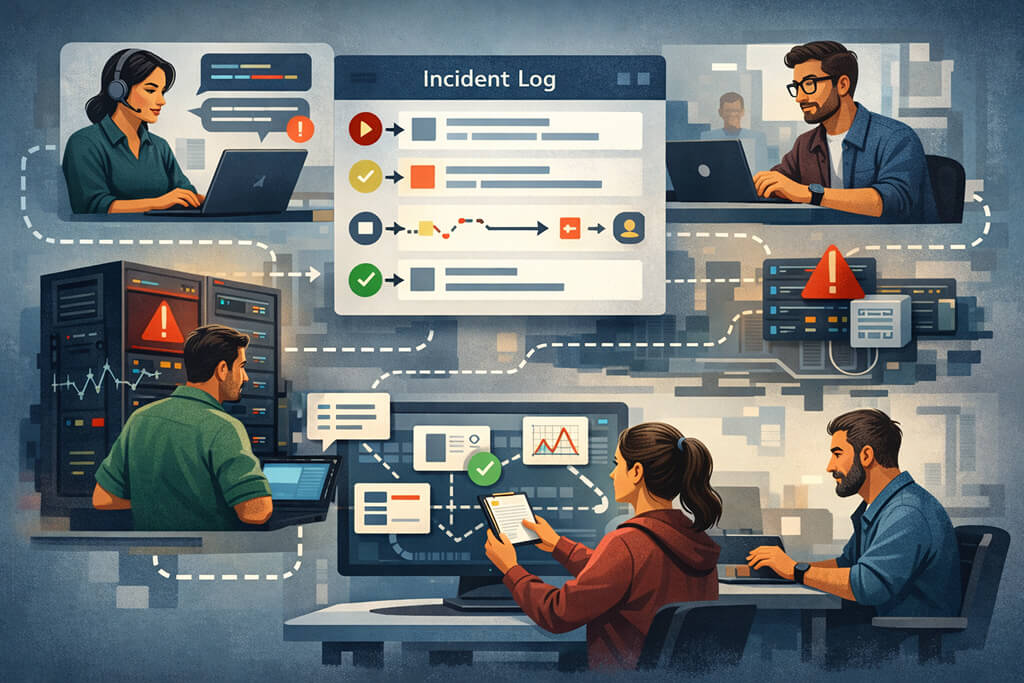
Before Hud
Your senior engineers know you don’t touch the payment path lightly, and that the reporting service can absorb a slowdown. That knowledge isn’t in the repo, and is not available to your agents.

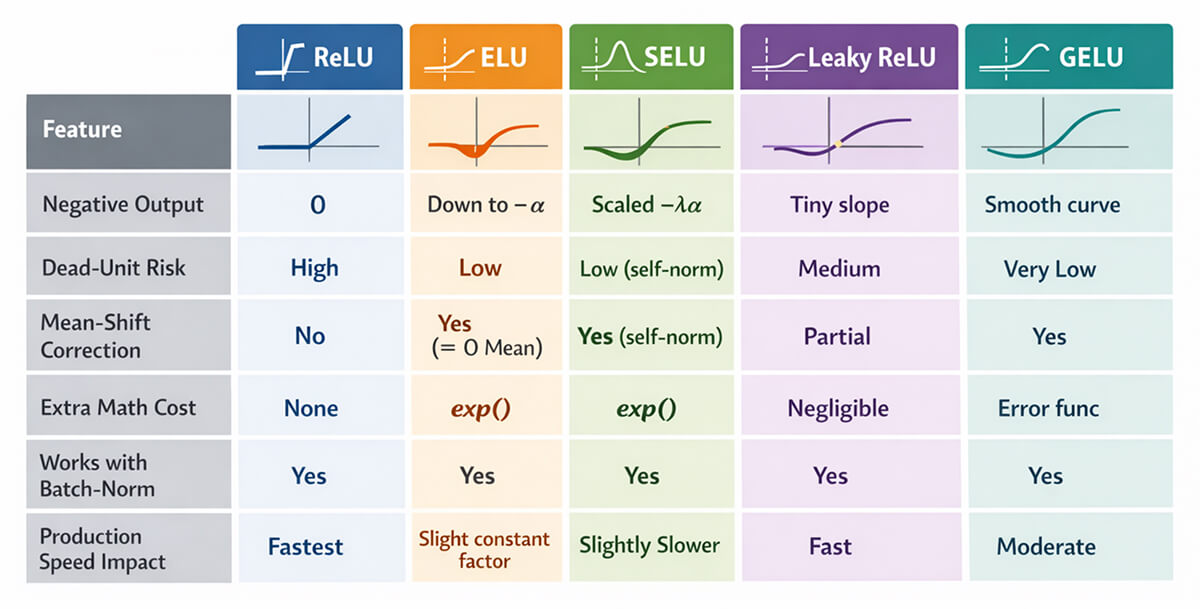
With Hud
Hud starts with its own production heuristics. You add what your team knows. Every PR then gets judged the way your most senior engineer would judge it.
Your definition of risk, enforced on every PR
Is this a new log line or a database schema change? Does it touch high-throughput endpoints? How many flows does it affect? Hud weighs all of it by default. You change how much each one counts, and which parts of your system each rule covers.
Say it in plain English
“Anything touching payments or authentication is high risk, regardless of how much traffic it gets.” That’s a rule. Hud’s agent takes it as an instruction and applies it on top of its own scoring.
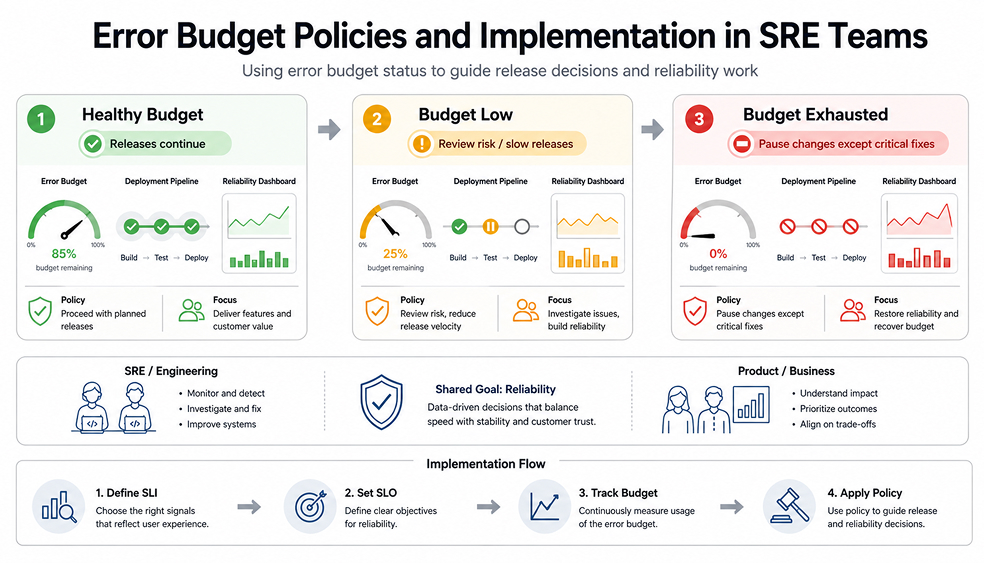
Make sure every alert matters
A change to your README shouldn’t reach anyone. A change to your login endpoint should. Hud alerts on what you defined as risky and stays quiet on the rest, so attention goes to the changes that can actually break something.
Set the rules per service and per environment
Your production standards shouldn’t apply to staging, and your customer-facing API shouldn’t be scored like your internal admin tool. Each part of your system gets the bar that fits it.
Hud works on day one. Your rules make it yours.
Trusted by engineers.
Human & artificial alike.
Hud runs on millions of services across massive production environments, with negligible overhead.

“Hud eliminated our voodoo incidents. AI-powered root cause analysis turned days of drilling through tools into minutes.”


“Hud completely changed how early we detect, and how quickly we solve issues long before they impact the business.”


“AI helps us move faster only when it’s grounded in reality. Having accurate runtime context means our engineers, and our AI workflows, can reason about real production behavior and act on it safely.”


“We knew the crashes were caused by an ELU spike, but the question was what caused that spike. Using Hud, we found the answer in minutes with an AI-ready fix.”


“When engineering decisions are grounded in real execution data, it changes how confidently we ship, scale, and invest. That level of certainty directly supports the business as the platform continues to grow.”
