Contain regressions in minutes
Hud compares every release against its baseline, decides whether it’s a regression, and triggers a rollback. Completely hands-off, or gated behind human approval.
The tests are all green, the review is clean, but the blast radius? Still unknown.
An alert assumes someone is available to act on it. At agent velocity, that wait is what turns a regression into an outage, because errors and latency don’t grow in a straight line, they compound.
Before Hud
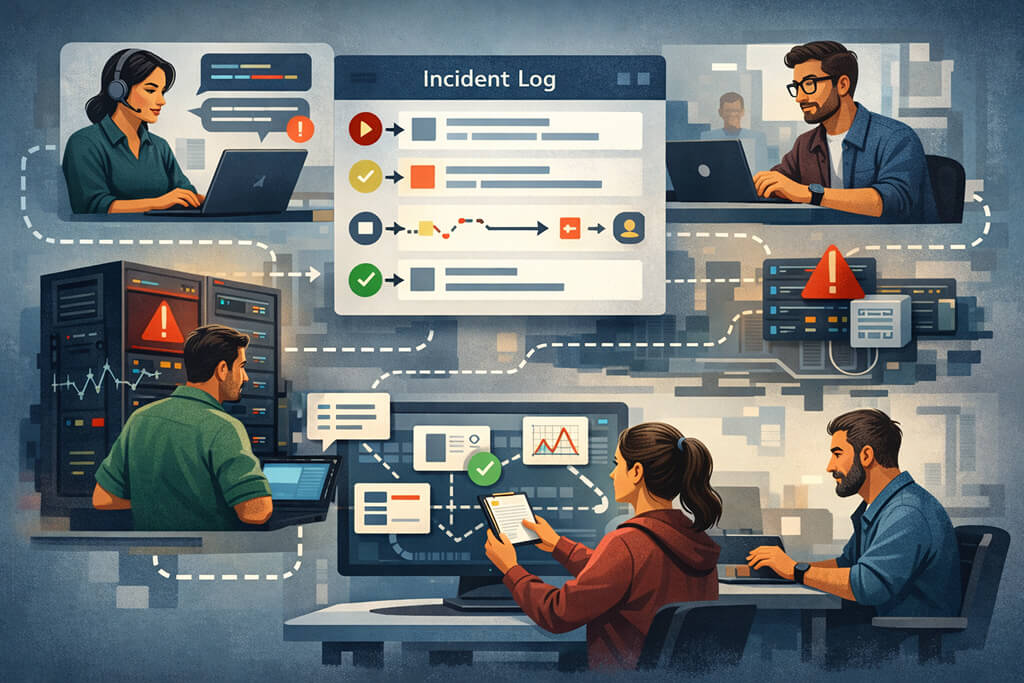
The alert fires. Whoever is on call has to orient, correlate the timing against recent deploys, and pick the one to revert. Twenty minutes later they revert by hand. Every one of those minutes is failed requests, lost revenue, and trust you don’t get back.
With Hud
Hud compares the new version against its baseline, sees the regression, and reverts it. No correlation, no log hunting, no war room. The forensic evidence from the moment it broke goes to your agent, which opens a fix PR. You review a diff.
A revert shouldn’t wait for someone to get to it.
Hud reverts the bad version, turns what it captured into a fix PR, and verifies the fix once it deploys.
Revert the moment it regresses
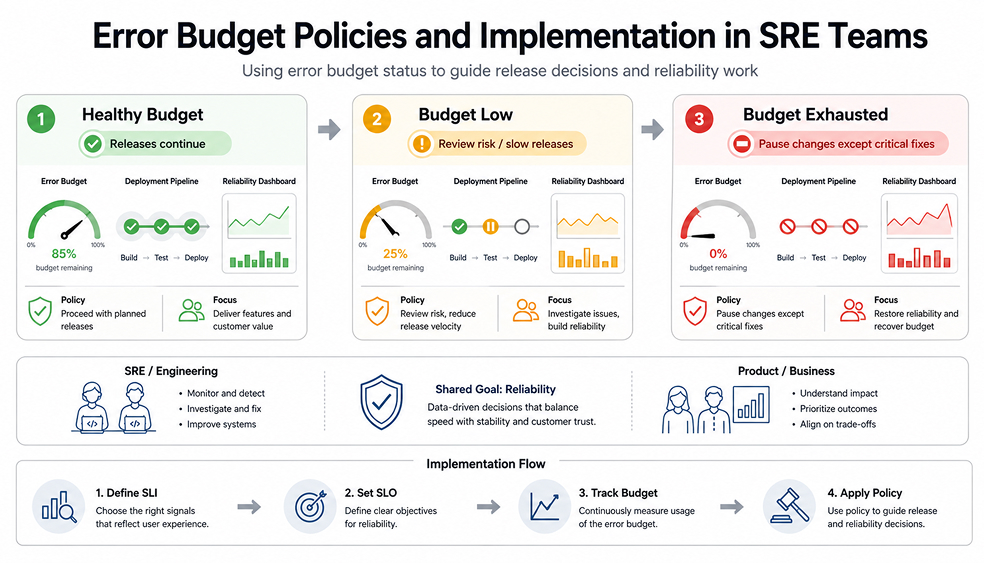
Every release is compared against the baseline of the one before it, function by function and per pod. If Hud sees a regression, it measures the blast radius, then issues a structured verdict you can inspect. The revert follows immediately, or waits for your approval.
Gather all the required context in minutes
Reverting stops the bleeding. It doesn’t fix the bug. Hud captures the forensic context at the moment of failure: parameters, call graph, exception chain, machine state. It routes that to your agent over MCP, which reads what ran, drafts the change, and opens a draft PR.
Close the incident by reviewing a pull request
Because Hud has already gathered the context and isolated the root cause, the review isn’t about guessing whether the code is right. You evaluate the diff, read the agent’s data-backed explanation of the production behavior, and verify the logic. You’re reviewing a standard code fix, not managing an active incident.
Regressions shouldn’t wait for someone to get to them.
Trusted by engineers.
Human & artificial alike.
Hud runs on millions of services across massive production environments, with negligible overhead.

“Hud eliminated our voodoo incidents. AI-powered root cause analysis turned days of drilling through tools into minutes.”


“Hud completely changed how early we detect, and how quickly we solve issues long before they impact the business.”


“AI helps us move faster only when it’s grounded in reality. Having accurate runtime context means our engineers, and our AI workflows, can reason about real production behavior and act on it safely.”


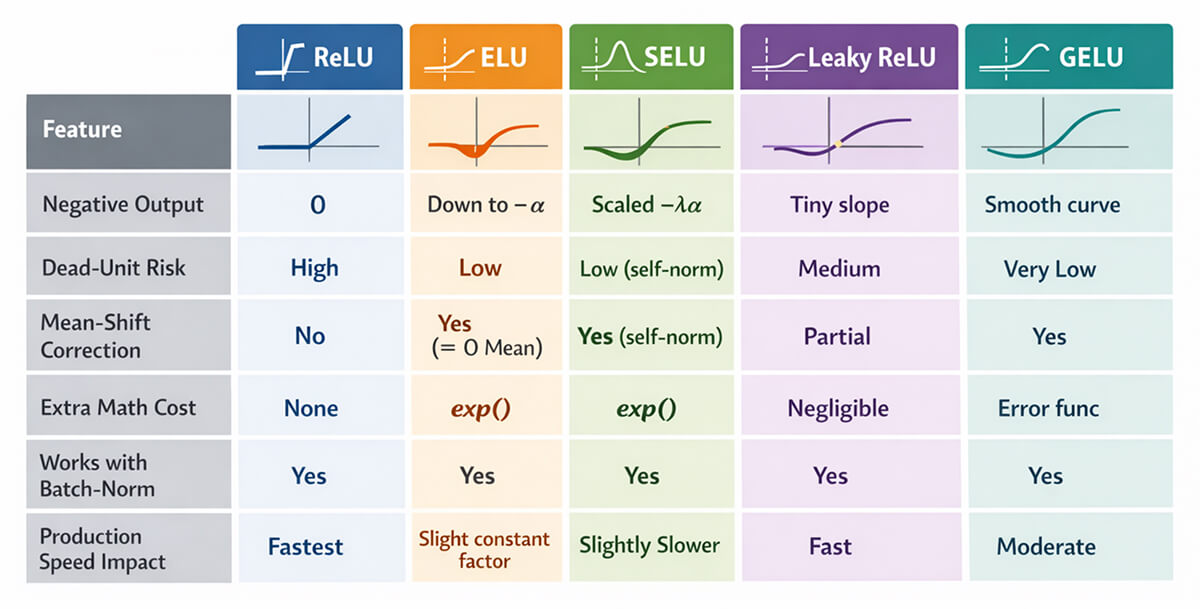
“We knew the crashes were caused by an ELU spike, but the question was what caused that spike. Using Hud, we found the answer in minutes with an AI-ready fix.”


“When engineering decisions are grounded in real execution data, it changes how confidently we ship, scale, and invest. That level of certainty directly supports the business as the platform continues to grow.”